

Have you ever bought a pair of sandals that looked perfect but felt too tight after wearing them? If you have wide feet, you’re not alone. Tight sandal straps and narrow footbeds can quickly lead to discomfort, blisters, and foot pain. The good news is that you don’t always need to buy a new pair. In this guide, you’ll learn how to stretch sandals for wide feet using 10 safe and practical methods that can improve comfort without damaging your footwear. We’ll also cover mistakes to avoid and tips to help your sandals fit better for everyday wear.
Learning how to stretch sandals for wide feet can help you improve the comfort of your favorite footwear without spending money on a new pair. With the right stretching techniques, even slightly tight sandals can become more comfortable for daily wear.
Why Do Sandals Feel Tight on Wide Feet?
Sandals can feel uncomfortable on wide feet for several reasons. The most common reason is that the sandal design is made for average foot widths, which may not provide enough space for broader feet. Tight straps, narrow footbeds, stiff materials, and poor sizing can create pressure around the toes and sides of the feet.
Some materials, such as leather and synthetic straps, need time to adjust to your foot shape. However, if the sandals are only slightly tight, stretching methods can help improve comfort and create a better fit.
Can All Sandals Be Stretched?
Not every sandal can be stretched the same way. Leather sandals usually respond better because natural leather becomes softer and adapts to foot shape over time. Synthetic sandals may stretch slightly, but aggressive stretching can damage the material.
Before trying any method, understand the material of your footwear because how to stretch sandals for wide feet depends on whether your sandals are made from leather, synthetic materials, or flexible fabrics.
Before trying any method, check the sandal material and start with gentle techniques. Expensive or delicate sandals should be stretched carefully to avoid permanent damage.
Comparison Table
Best Sandal Stretching Methods Compared
| Method | Best For | Time Needed | Risk Level |
|---|---|---|---|
| Thick Socks | Leather sandals | Few days | Low |
| Shoe Stretcher | Leather/material sandals | 24–48 hours | Low |
| Heat Method | Flexible sandals | Minutes | Medium |
| Conditioner | Leather sandals | Few hours | Low |
| Professional Stretching | Expensive sandals | 1–3 days | Very Low |
Mistakes to Avoid When Stretching Sandals
While stretching sandals can improve comfort, using the wrong technique can damage your footwear. Avoid applying too much heat because it may weaken glue and materials. Do not forcefully bend stiff straps, as they can crack or lose their original shape.
Another common mistake is stretching sandals too quickly. Small adjustments over time are safer than trying to make a sandal several sizes wider in one attempt.
How Much Can Sandals Be Stretched?
Most sandals can only be stretched slightly. In general, you can expect a small increase in width rather than a complete size change. Stretching works best when sandals are only slightly tight. If your toes hang over the edge or your feet feel compressed even after stretching, choosing a wider sandal size may be a better option.
What are the reasons for having wide feet? Let’s consider:
Additionally, they are hereditary. Because the ligaments and tendons in our feet lose some of their elasticity as we age, they might widen slightly. This may also cause your feet to widen if you have excess weight.
When you think about it, your body goes through many changes during pregnancy, including hormonal changes that can make your feet wider. Other health problems, like arthritis or diabetes, can also have an impact on foot width. Additionally, your feet may begin to widen if you’ve been wearing constricting or narrow footwear for a while.
Therefore, there are many potential causes of wide feet, but knowing why they occur might help you take better care of them and control them. It’s always a good idea to consult a foot specialist or podiatrist if you have any worries. They may offer useful advice on how to maintain your foot health and happiness.
How to Stretch Sandals for Wide Feet—Best Ways:
Stretching sandals for wide feet is all about gently loosening the straps or material so they feel more comfortable without causing damage. Since sandals come in leather, suede, or synthetic materials, different methods—like using heat, sprays, or simple wear-in techniques—can help give your feet the extra room they need.

1. Wear Them at Home
- Put on thick socks and wear your sandals around the house.
- The extra bulk helps stretch the straps gradually without damaging them.
2. Use a Shoe Stretcher
- Adjustable shoe stretchers (with inserts for width) can widen leather or fabric sandals.
- Leave them in overnight for best results.
3. Heat Method (for Leather or Fabric Sandals)
- Use a hair dryer to gently warm tight areas while wearing thick socks.
- Flex your feet to loosen the material.
- Avoid overheating to prevent damage.
4. Freezer Bag Trick
- Fill a resealable bag with water, place it inside the sandal, and then freeze overnight.
- As the water turns to ice, it expands and gently stretches the sandal.
People with wide feet often experience pressure around the toes, straps, and sides of sandals. Knowing how to stretch sandals for wide feet allows you to adjust the fit and reduce discomfort. A properly stretched sandal provides better movement, improves walking comfort, and helps prevent common problems like rubbing and blisters.
5. Professional Stretching
- Cobblers can safely stretch sandals using specialized tools and conditioners.
- Best for expensive or delicate materials.
6. Leather Conditioner or Stretch Spray

- Apply to tight areas before wearing or using a stretcher.
- Softens the material and makes stretching easier.
Tip: Go slowly. Stretching too fast can cause straps to crack or lose shape.
Would you like me also to make a comparison table (home methods vs. professional methods) so it’s easier to pick the best option?
7. Manual Hand Stretching
- Gently bend, flex, and pull the straps outward with your hands.
- Works well for fabric or soft leather sandals.
- Do this daily for a few minutes to gradually loosen them.
8. Use Rubbing Alcohol (with Care)
- Mix equal parts rubbing alcohol and water in a spray bottle.
- Lightly mist the inside straps, then wear the sandals while damp.
- Alcohol makes the material more flexible, but avoid over-soaking to prevent drying out leather.
9. Insert Rolled Towels or Socks
- Roll up thick towels or several pairs of socks.
- Stuff them tightly into the sandals and leave overnight.
- A cheap, safe method for mild stretching.
10. Steam Method (for Fabric Sandals)
- Hold the tight areas briefly over steam (like from a kettle).
- While warm and damp, wear them to mold to your foot shape.
- Avoid using steam on suede or delicate leather.
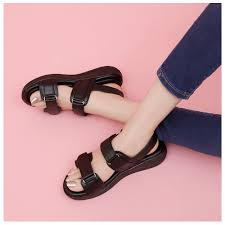
11. Adjustable Buckles & Elastic Inserts
- If sandals have buckles, extend to the last hole and break them in that way.
- For stubborn straps, a cobbler can add hidden elastic inserts for extra give.
12. Condition + Stretch Cycle
- Apply leather conditioner or coconut oil to soften.
- Use a stretcher or wear them while warm.
- Repeat 2–3 times for lasting results.
Extra Tips to Keep Your Sandals Comfortable for Wide Feet
Stretching your sandals can improve the fit, but maintaining long-term comfort is just as important. Choosing the right size, material, and design can help prevent tightness and foot discomfort in the future.
Choose Wide-Friendly Sandal Designs
When buying new sandals, look for features that provide extra space, such as adjustable straps, wider footbeds, and flexible materials. Sandals with adjustable buckles or Velcro straps are often a better choice because they allow you to customize the fit according to your foot shape.
Give Your Feet Time to Adjust
Even after stretching, new sandals may need some time to feel completely comfortable. Wear them for short periods at first and gradually increase the wearing time. This allows both your feet and the sandals to adjust naturally.
Take Care of Your Sandals Regularly
Proper maintenance can keep sandals flexible and comfortable for longer. Clean them regularly, condition leather materials when needed, and store them in a dry place to prevent the straps from becoming stiff.
A comfortable pair of sandals should support your feet, not create pressure. With the right stretching methods and proper care, you can enjoy better comfort and extend the life of your favorite sandals.
FAQs
Can you stretch sandals that are too narrow?
Yes, slightly narrow sandals can often be stretched using safe methods like shoe stretchers, leather conditioners, or gradual wearing.
How long does it take to stretch sandals?
It depends on the material. Some methods work within hours, while natural stretching may take several days.
Do leather sandals stretch more than synthetic sandals?
Yes, leather usually stretches and adapts better than synthetic materials.
Can a shoe stretcher stretch sandals?
Yes, especially sandals with leather or flexible uppers.
How can I make sandals wider at home?
You can use thick socks, gentle heat, leather conditioner, or a sandal stretcher.
Conclusion
Finding the perfect pair of sandals can be difficult, especially when you have wide feet. However, tight sandals do not always mean you need to replace them. With the right techniques, you can gently stretch your sandals and improve their comfort without damaging the material.
Whether you choose simple methods like wearing thick socks, using a shoe stretcher, applying leather conditioner, or trying a gradual stretching approach, the key is to be patient. Stretching sandals slowly helps them adjust to your foot shape while keeping their original quality intact.
Quick Tips to Remember:
- Always check the sandal material before choosing a stretching method.
- Stretch your sandals gradually instead of forcing them wider quickly.
- Leather sandals usually respond better to stretching than synthetic materials.
- Avoid excessive heat or pressure that can damage straps and soles.
- If your sandals are extremely narrow, choosing a wider design may be the better option.
By understanding how to stretch sandals for wide feet, you can make smarter footwear adjustments and enjoy better comfort without replacing your favorite sandals.
By following these tips on how to stretch sandals for wide feet, you can turn uncomfortable footwear into a more comfortable pair that feels better for everyday use. A small adjustment can make a big difference in your walking comfort, allowing you to enjoy your favorite sandals without pain or pressure.
Read more about
how to stretch sandals for wide feet.

I’m a footwear blogger passionate about exploring comfortable shoes, smart buying choices, and budget-friendly footwear options. At Cheapsoles.com, I share practical shoe guides, care tips, sizing advice, and helpful insights to make choosing the right shoes easier.
I research footwear trends and provide simple, reliable information to help readers find comfortable and valuable footwear options for everyday life.