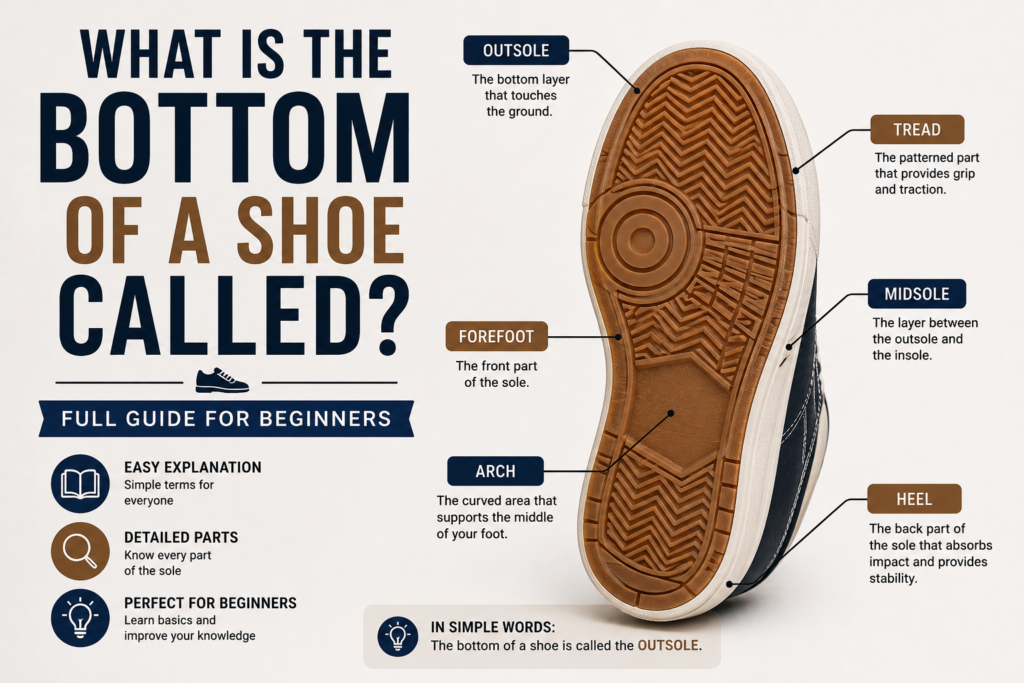
The bottom of a shoe is called the sole. It is the part that touches the ground and is made up of different layers, including the outsole, midsole, and insole.
We’re breaking down the jargon and getting down to business about what makes your kicks work, from heel to toe. There’s more beneath your feet than you may realize, so let’s solve the mysteries of that sole regardless of your shoe style—slip-on or slide-on!
Shoes are an essential part of everyday life, but many people do not know the correct names of their different parts. One of the most commonly searched questions is: “What is the bottom of a shoe called?”
Shoes are an important part of daily life, but many people do not know the correct names of their parts. One common question people ask is: “What is the bottom of a shoe called?”
The bottom of a shoe is called the sole, and it plays a very important role in comfort, grip, and durability. In this article, we will explain shoe sole parts in simple and easy English. After examining different types of sneakers, boots, dress shoes, and running shoes, I found that many people confuse the sole with the outsole. In reality, the outsole is only one layer, while the entire bottom structure includes the outsole, midsole, and insole.
Quick Answer
The bottom of a shoe is generally called the sole, while the part that directly touches the ground is called the outsole. The complete shoe bottom also includes the midsole and insole, each serving a different purpose such as comfort, cushioning, and traction
What is the bottom of a shoe called?
The bottom of a shoe is called the sole.
It is the part of the shoe that directly touches the ground and supports your entire body weight while walking, running, or standing.
However, the sole is not just a single layer. It is made up of different parts that work together to provide comfort, grip, and durability.
Have you ever wondered why your shoes’ bottoms are so unique? Alright, let me take you on an investigation of my curiosities.
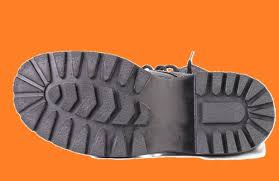
It all began with a straightforward query: What is the term for a shoe’s bottom? I discovered that this peculiar component is referred to as the “sole” and has more purposes than just supporting my shoe.
Getting to Know the Sole
The sole encompasses not just the bottom but also the sides. I discovered that it serves a superhero-like purpose, offering protection, comfort, and support, rather than just raising my foot off the ground.
The Sole’s Superpowers
The sole serves some important purposes in addition to being a passive part. It serves as my feet’s bodyguard, supporting my weight, providing traction to avoid humiliating slips, and shielding me from anything the ground throws at me.
Materials Matter
Who would have thought that diverse materials might be used to make soles? The structure of the sole influences everything from comfort to longevity, whether it is made of high-tech synthetics, traditional leather, or dependable rubber.
Shoe Personalities
Every kind of shoe has a distinct personality of its own. While dress shoes have smooth soles for the finest appearance, athletic shoes have these intriguing patterns for greater performance. It turns out that the sole makes a fashion statement in addition to being useful.
Parts of the Shoe Bottom
The shoe sole is divided into three main parts:
Outsole
The outsole is the outermost layer of the shoe bottom that touches the ground.
Key Features:
- Provides grip and traction
- Prevents slipping
- Made of rubber or hard materials
- Protects the shoe from wear and tear
It is the most durable part of the shoe bottom.
Midsole
The midsole is located between the outsole and insole.
Key Features:
- Provides cushioning and comfort
- Absorbs shock while walking or running
- Reduces pressure on feet and joints
- Commonly used in sports and running shoes
- It plays a major role in comfort and performance.
Insole
The insole is the inner layer of the shoe where your foot rests.
Key Features:
- Provides softness and comfort
- Supports the arch of the foot
- Can often be removable and replaceable
- Helps reduce foot fatigue
COMPARISON TABLE
| Part | Function |
|---|---|
| Outsole | Provides grip and touches the ground |
| Midsole | Absorbs shock and gives comfort |
| Insole | Soft support for feet inside shoe |
| Heel | Raises back part for height and support |
What else contributes to the bottom of a shoe?
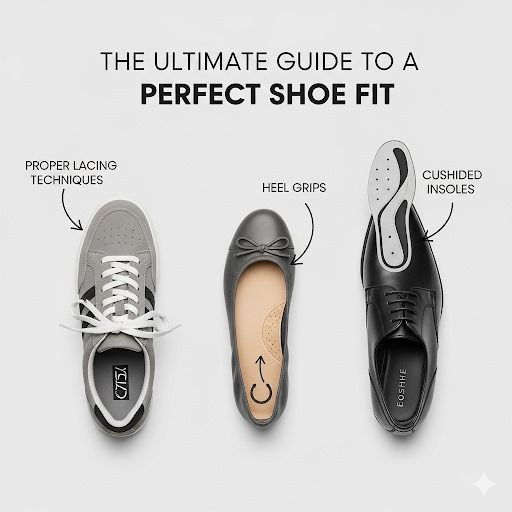
When it comes to the bottom of a shoe, it’s not just about the sole. Several components work together to create a functional and comfortable footwear experience. Let’s explore some key elements:
1. Outsole
- This is the very bottom layer that touches the ground.
- Usually made from rubber, EVA, TPU, or leather, it provides traction, durability, and slip resistance.
2. Midsole
- The layer between the outsole and the insole.
- Provides cushioning, shock absorption, and comfort.
- Common materials: EVA foam, PU foam, gel, or air pockets.
3. Insole (Footbed)
- The removable or fixed layer your foot rests on.
- Adds arch support, cushioning, and moisture control.
4. Shank
- A small supportive piece (metal, plastic, or fiberglass) inside the midsole.
- Helps with stability, especially in boots and work shoes.
5. Heel Counter / Heel Wedge
- The heel structure that gives support and height.
- Provides balance, shock absorption, and foot posture control.
6. Tread Pattern
- The designs and grooves on the outsole.
- Improves grip, traction, and ground control for different surfaces.
7. Outsole Rubber Compound
- Different rubbers (sticky rubber, carbon rubber, blown rubber) affect flexibility, softness, durability, and slip-resistance.
8. Flex Grooves
- Grooves cut into the sole to help with bending.
- Make the shoe feel more natural and flexible while walking.
9. Arch Support Structure
- Built-in shaping in the sole that supports your arch type.
- Helps with comfort and alignment.
Comparison Table
| Part | Location | Function |
|---|---|---|
| Outsole | Bottom | Grip & durability |
| Midsole | Middle | Cushioning |
| Insole | Inside | Comfort |
| Heel | Rear | Stability |
IMPORTANCE OF SHOE SOLE
The shoe sole is very important because it directly affects performance and safety.
It helps in:
- Better balance while walking
- Protecting feet from rough surfaces
- Preventing slips and injuries
- Increasing shoe lifespan
- Improving comfort and posture
Without a strong sole, shoes cannot function properly.
Common Mistakes People Make
Many people think the outsole and the sole are exactly the same. Technically, the outsole is only the outermost layer that touches the ground, while the sole may refer to the complete bottom structure of the shoe, including the midsole and insole.
Many people misunderstand shoe parts. Here are some common mistakes:
- Thinking the sole and heel are the same thing
- Confusing insole with outsole
- Assuming the entire bottom is a single solid piece
- Ignoring midsole importance
In reality, the shoe bottom is a combination of multiple functional layers.
Shoe Sole vs Other Shoe Parts
- Sole = Entire bottom structure
- Heel = Raised back part
- Upper = Top part covering the foot
Caring Tips for The Bottom of Your Shoes
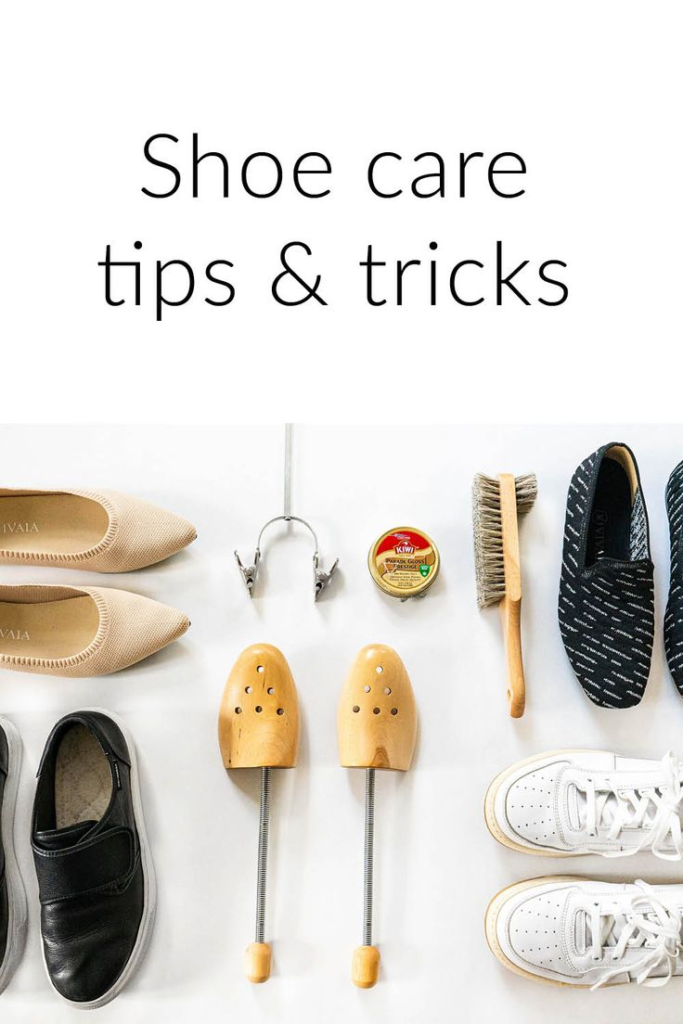
There’s more to your shoes than just style. They travel with you everywhere you go. Giving the unsung heroes—the people in your shoes—some attention is essential to their continued success. Now, allow me to offer some practical advice based on my personal shoe maintenance experiences. After wearing a few pairs of reliable shoes, you know what you learn.
1. Clean the Outsoles Regularly
Dirt and stones stick easily to the bottom of shoes. Use a soft brush or old toothbrush to remove debris and keep the outsole looking fresh.
2. Wash with Mild Soap
For deeper cleaning, mix mild soap with warm water and scrub the bottom gently. This removes stains and keeps the sole from wearing down faster.
3. Remove Stuck Pebbles and Debris
Small stones stuck in the tread can damage traction. Use a toothpick or small tool to clear them out and maintain proper grip.
4. Dry Properly After Cleaning
Always air-dry your shoes naturally. Avoid direct sunlight or heaters, as they can weaken glue and damage the outsole material.
5. Use Sole Protectors
Applying stick-on sole protectors helps prolong outsole life, especially for expensive or designer shoes that you want to keep clean.
6. Avoid Walking on Rough Surfaces
Constant friction on rough roads or rocky areas can wear down the bottom faster. Choose smoother surfaces whenever possible.
7. Rotate Your Shoes
Wearing the same pair daily puts extra pressure on the sole. Rotate between pairs to reduce wear and extend lifespan.
8. Check Traction Regularly
If the tread pattern becomes flat or slippery, it may be time for repair or replacement. Good traction keeps your shoes safe and functional.
9. Apply Grip Pads if Needed
If the bottom becomes slippery, add grip pads to improve stability and reduce the risk of slipping.
FAQs
1. How often should I clean the bottom of my shoes?
You should clean the outsoles once a week if you wear the shoes regularly. For heavy dirt or mud, clean them immediately.
2. What is the best way to remove dirt from shoe soles?
Use a soft brush or old toothbrush to scrub away dirt. For deeper cleaning, use warm water with mild soap.
3. Can I wash the bottom of my shoes with water?
Yes, the bottom of most shoes can be washed with water, but avoid soaking the entire shoe to protect the glue and materials
4. What is the outsole of a shoe?
The outsole is the bottom outer layer that touches the ground and provides grip.
5. What is the bottom of a shoe called?
The bottom of a shoe is called the sole, which includes the outsole, midsole, and insole.
6. Is the shoe bottom called sole or heel?
The sole is the full bottom part of the shoe, while the heel is only the raised back section.
7. What is the difference between insole and outsole?
The insole is inside the shoe for comfort, while the outsole is outside for grip.
Conclusion
Wrapping up our exploration into the secrets of shoe anatomy. When someone wonders what a shoe’s bottom is called? We can state with certainty that it is the “sole.”
The bottom of a shoe is called the sole, but it is made up of different parts like the outsole, midsole, and insole. Each part has its own function in providing comfort, support, and durability.
Understanding shoe anatomy helps you choose better footwear and take better care of your shoes.
The next time you put on your favorite pair of shoes, remember to give thanks to the sole—the reliable friend under your feet. It plays a crucial role in your comfort and travel and is more than just a component of your shoes. And that, my friends, is the beauty of deciphering the structure of our shoes, comprehending and appreciating the magic that occurs on the bottom, and providing a solution to the age-old query, “What is the bottom of a shoe called?” Every step is distinct because it is the soul of the sole.
Read more about
What is the bottom of a shoe called? Decoding the anatomyhttps://www.oliversweeney.com/pages/anatomy-of-a-shoe
I hope you will enjoy https://cheapsoles.com/24-how-to-disinfect-shoes-from-goodwill-5-ways/
If you have any tips plz tell me in the comments
I’m a footwear blogger passionate about exploring comfortable shoes, smart buying choices, and budget-friendly footwear options. At Cheapsoles.com, I share practical shoe guides, care tips, sizing advice, and helpful insights to make choosing the right shoes easier.
I research footwear trends and provide simple, reliable information to help readers find comfortable and valuable footwear options for everyday life.