How to clean second-hand shoes is one of the most common questions people ask after buying pre-owned footwear from thrift stores, online marketplaces, or resale shops. While second-hand shoes can save money and reduce waste, they often need proper cleaning and disinfection before they’re safe and comfortable to wear. Dust, bacteria, odors, and hidden stains can affect both hygiene and the lifespan of the shoes if they aren’t treated correctly.
The good news is that most second-hand shoes can be restored at home using simple cleaning methods and the right products. Whether you have leather, suede, canvas, mesh, or athletic shoes, each material requires a slightly different approach to avoid damage while achieving the best results. In this guide, you’ll learn how to clean second-hand shoes, remove unpleasant odors, disinfect the inside, and keep your shoes looking fresh and ready to wear. By following these step-by-step methods, you can extend the life of your footwear while enjoying a clean, hygienic, and comfortable fit.
Things You Need Before Cleaning Second-Hand Shoes
Before you begin cleaning second-hand shoes, gather all the necessary supplies to make the process easier and safer. The exact cleaning products will depend on the shoe material, but a few basic tools work for most types of footwear. A soft-bristled brush helps remove loose dirt without scratching the surface, while a microfiber cloth is ideal for wiping away dust and cleaning solutions. Mild soap or a gentle shoe cleaner is usually enough for canvas and mesh shoes, whereas leather requires a dedicated leather cleaner and conditioner.
For suede shoes, always use a suede brush and eraser instead of water-based cleaners. You may also need baking soda or activated charcoal to eliminate odors, along with a disinfectant spray to sanitize the inside of the shoes. Having the right supplies ready before you start prevents accidental damage and ensures better cleaning results.
Common Mistakes to Avoid When Cleaning Second-Hand Shoes
Many people accidentally damage second-hand shoes by using strong chemicals or soaking them in water without checking the material first. Bleach, harsh detergents, and excessive scrubbing can discolor fabrics, dry out leather, and weaken the glue that holds the sole together. Another common mistake is forgetting to disinfect the inside of the shoes. While the exterior may look clean, bacteria and odor-causing microbes can remain inside if proper sanitization is skipped.
Drying shoes incorrectly is another issue. Placing them in direct sunlight or near heaters may warp the shape or crack leather. Instead, allow them to air dry naturally in a well-ventilated space. Taking a little extra care during the cleaning process helps preserve both the appearance and lifespan of second-hand footwear.
Expert Tip Box
Expert Tip: If second-hand shoes still have a lingering odor after cleaning, replace the insoles instead of repeatedly using strong deodorizing products. New insoles are inexpensive and can significantly improve both hygiene and comfort.
Warning Box
Warning: Never soak leather or suede shoes in water. Excess moisture can permanently damage the material, weaken adhesives, and shorten the lifespan of the shoes.
Table
Shoe Material Best Cleaning Method Leather Leather Cleaner Canvas Mild Soap Mesh Soft Brush Suede Suede Brush Rubber Baking Soda Paste
The Importance of Cleaning and Disinfecting Second-Hand Shoes
Alright, you may imagine that you are purchasing used shoes. It’s interesting, huh? However, the issue is that they may be carrying odors and germs from their former owner. Cleanliness is important in this situation. I discovered the hard way that maintaining cleanliness involves more than simply aesthetics. It’s about maintaining the comfort and wellness of your feet. Let’s examine why washing old shoes is so crucial; my own experience has shown me that it’s not only a choice. It’s essential for a joyful and healthful shoe journey!
- Removes bacteria and germs: Proper cleaning helps eliminate bacteria, fungi, and other microorganisms that may remain inside previously owned shoes.
- Eliminates unpleasant odors: Washing and disinfecting the shoes removes sweat, dirt, and odor-causing bacteria, leaving them smelling fresh.
- Protects your foot health: Clean shoes reduce the risk of skin irritation, fungal infections, and other hygiene-related foot problems.
- Extends the lifespan of the shoes: Regular cleaning prevents dirt buildup that can damage leather, fabric, and stitching over time.
- Restores the appearance: Cleaning removes stains, dust, and scuff marks, making second-hand shoes look cleaner and more attractive.
How to Store Second-Hand Shoes After Cleaning
Once your second-hand shoes are completely clean and dry, proper storage is essential to keep them in good condition. Store them in a cool, dry place away from direct sunlight and excess humidity. Using shoe trees helps leather shoes maintain their shape, while stuffing canvas or athletic shoes with clean paper can also prevent creasing.
Avoid sealing shoes in airtight plastic bags because trapped moisture may lead to unpleasant odors or mold growth. If possible, keep each pair in a breathable shoe bag or the original box with a silica gel packet to absorb excess moisture. Proper storage not only extends the life of your shoes but also keeps them fresh and ready to wear whenever you need them.

How to clean second-hand shoes
You’ve found a pair of used shoes and are eager to customize them, correct? You must understand how to clean used shoes. Let me tell you about my experience cleaning these antiques.
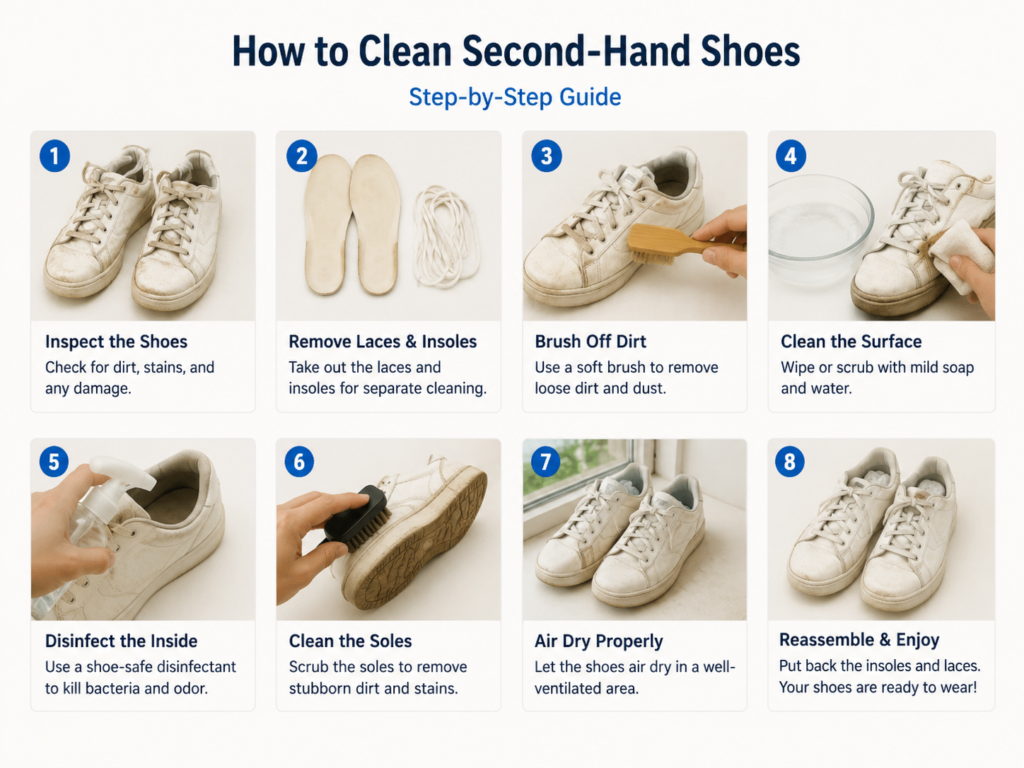
Step 1: Inspect the Shoes Carefully
Before you begin cleaning, check the shoes for stains, cracks, loose stitching, worn-out soles, or mold. Identifying the material—such as leather, suede, canvas, or mesh—will help you choose the safest cleaning method.
Step 2: Remove the Laces and Insoles
Take out the shoelaces and insoles before cleaning. Wash the laces separately with mild soap, and clean or replace the insoles if they have stubborn odors or signs of wear.
Step 3: Brush Away Loose Dirt
Use a soft-bristled brush or a dry microfiber cloth to remove dust, mud, and loose debris from the upper, sole, and hard-to-reach areas before applying any cleaning solution.
Step 4: Clean the Shoe Surface
Prepare a mixture of warm water and mild soap or use a shoe cleaner designed for the material. Gently scrub the surface with a soft brush or cloth, paying extra attention to stained areas without using excessive force.
Step 5: Disinfect the Inside
Spray the interior with a shoe-safe disinfectant or wipe it with a diluted disinfecting solution. This helps eliminate bacteria, fungi, and odor-causing germs that may remain inside second-hand shoes.

How to Machine Wash Secondhand Shoes
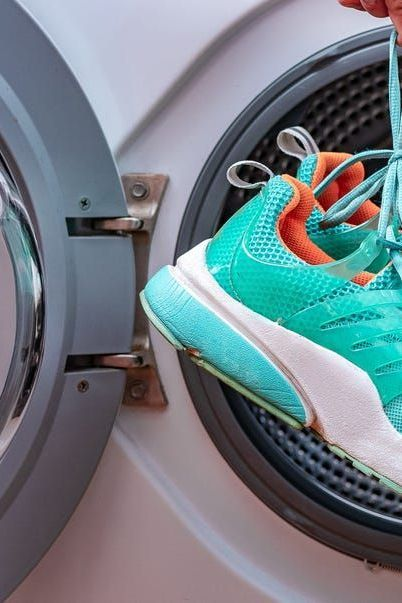
If your second-hand shoes are made from canvas, mesh, or other machine-washable materials, you can clean them in a washing machine. First, remove the shoelaces and insoles, then place the shoes inside a mesh laundry bag or pillowcase to protect them during the wash cycle. Use cold water, a mild detergent, and a gentle cycle to prevent damage. Avoid using bleach or harsh cleaning products, as they may weaken the fabric or fade the color. Once the wash is complete, let the shoes air dry naturally in a well-ventilated area. Do not use a dryer, as high heat can damage the glue and affect the shoe’s shape.
Is it okay to get shoes from a thrift store?
- Buying shoes from a thrift store can be okay, but it’s smart to be careful. Here’s how:
- Examine the shoes for any issues, such as wear and tear or damage.
Verify that the shoes are clean and odor-free. It’s useful to know that you can clean them.
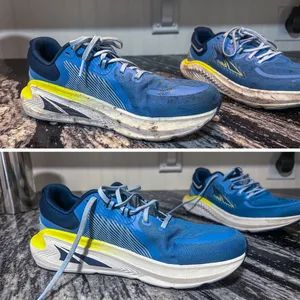
Examine the interior of the shoes. See how it looks if you are able to remove it. If necessary, you can purchase replacement insoles. - Cleaning requirements vary depending on the material. Sports shoes may require extra maintenance, but leather and cloth can typically be washed effectively.
- Try the shoes on if you can. Check to see whether they are feeling well and whether there are any issues.
- Look for wear on the lower portion of the shoes. They may be too old if they have too much wear.
- There are some companies that produce excellent shoes. A good brand may indicate that the shoes were high-quality from the start.
- After purchasing the shoes, thoroughly clean and sanitize them before putting them on. This aids in eliminating any odors or pathogens.
- It’s acceptable to skip the shoes if you’re not sure about them. The most crucial factor is your comfort.
- Verify if the shoes fit you properly. They won’t be comfortable if they don’t fit properly, even if they are a terrific purchase.
FAQs
Q: How to properly clean second-hand shoes?
A: Remove dirt, clean the shoes with a mild cleaner suitable for the material, disinfect the inside, and let them air dry completely before wearing them.
Q: What is the 3 shoe rule?
A: The 3 shoe rule suggests rotating between at least three pairs of shoes to reduce wear, improve comfort, and allow each pair to dry completely between uses.
Q: What shoes are best for osteoporosis?
A: The best shoes for osteoporosis have cushioned soles, good arch support, a wide toe box, and non-slip outsoles to improve comfort, stability, and reduce the risk of falls.
Q: How to clean Tory Burch tennis shoes?
A: Remove laces and dirt first, then gently scrub with a soft brush and mild soap mixed with water. Wipe clean with a damp cloth and let them air dry completely.
Conclusion
Alright, let me conclude my experience washing shoes with a few easy suggestions:
I must admit that it has been quite the journey since I started washing used shoes. We’ve covered everything, from inspecting them for stains to running them through the washing machine.
Now that I have these easy tips, my shoes appear a little sloppy! It all comes down to using the proper tools, being kind, and exercising some patience. We have everything from canvas to leather to sneakers.
So, how should used shoes be cleaned? Keep these easy measures in mind when washing your already cherished shoes or shoes you purchased secondhand. In addition to being stylish, your shoes will feel brand-new. It’s time to display those restored gems!
Read more about
how to clean secondhand shoes? Cleaning Hacks
I hope you will enjoy https://cheapsoles.com/how-to-prevent-small-toe-rubbing-in-shoes-best/
I’m a footwear blogger passionate about exploring comfortable shoes, smart buying choices, and budget-friendly footwear options. At Cheapsoles.com, I share practical shoe guides, care tips, sizing advice, and helpful insights to make choosing the right shoes easier.
I research footwear trends and provide simple, reliable information to help readers find comfortable and valuable footwear options for everyday life.
Nice