Are you thinking of adding a classic pair of Dr. Martens to your collection of shoes? One of the most sought-after fashionistas in the world, Dr. Martens is renowned for their longevity, flair, and classic appeal. “How tight should Dr. Martens be?” is a frequently asked question when it comes to selecting the ideal fit.
With each step you take, you can make sure your Dr. Martens are fitting you more comfortably and stylishly by using the helpful advice and considerations in this buyer’s guide. Let’s get started and find the Dr. Martens boot that fits you the best.
How Tight Should Dr. Martens Fit?
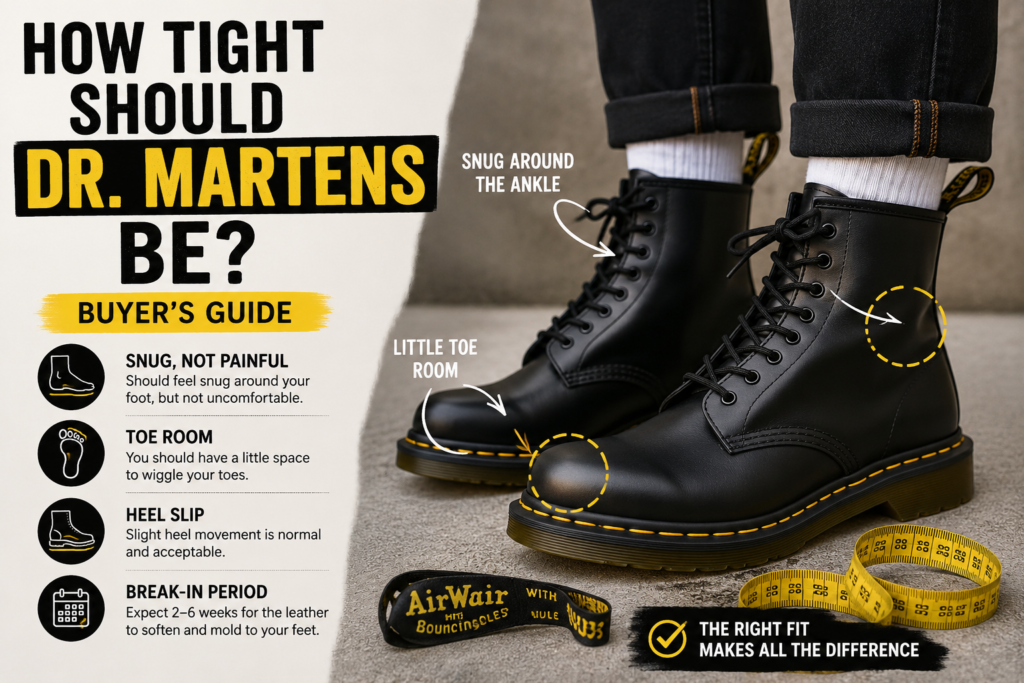
Dr. Martens should feel snug but never painful. Your toes should have enough room to move, while the leather should fit firmly around the foot. The boots usually soften and mold to your feet during the break-in period
What is the level of comfort provided by Dr. Martin?
After you get used to them, Dr. Martens boots are really comfy. They could feel rather rigid at first, but as you wear them more, they begin to conform to your feet and become more comfortable. Their cushioned sole, which supports your feet and makes walking easier, is what sets shoes apart. Additionally, the toe area is spacious enough to prevent your toes from feeling squished.
They might be a little challenging for some folks to break in, particularly if they’re not accustomed to wearing robust shoes. However, they will progressively get more comfortable if you continue to wear them.

Some Dr. Martens that are constructed of vegan materials or soft leather can be easy on your feet if you want something comfortable right away. Additionally, you may always add cushions or insoles if you require more comfort at any time.
All things considered, Dr. Martens are renowned for being long-lasting, fashionable, supportive, and comfy shoes once you get used to wearing them.
Dr. Martens Fit Guide
| Area | Correct Fit |
|---|---|
| Toes | Wiggle room available |
| Heel | Slight movement is normal |
| Width | Snug but not painful |
| Instep | Firm pressure acceptable |
| Walking | No numbness or sharp pain |
How tight should Doc Martens be
When buying a new pair of Doc Martens, the fit should be snug but never painfully tight. These boots are made from firm leather that softens over time, so it’s normal if they feel a bit stiff at first. The key is that your toes should have room to move slightly, while the sides of your feet feel comfortably held in place.
During the first few wears, your heel might slip a little or rub against the back—this is common and will improve as the leather molds to your feet. However, if the boots are causing pinching or numbness, they’re too tight and could lead to blisters or discomfort. Always wear them indoors for short periods to test the fit before committing to longer walks.
A perfect-fitting pair of Docs should feel secure and supportive. The leather will gradually stretch and conform to your foot shape, making it more comfortable over time. Keep in mind that wearing thick socks during the break-in process can help reduce friction and protect your skin from irritation.
Read more about https://cheapsoles.com/what-is-a-good-alternative-to-crocs-7-stylish/
If your Doc Martens feel too loose, your heel will lift when you walk, which can also cause rubbing and blisters. In that case, consider using insoles or heel grips for a better fit. Remember, breaking in Doc Martens takes patience—but once they’ve softened, they’ll become one of the most comfortable and durable boots you own.
You can also know how long Doc Martens last. A Personal Review.
Signs Your Dr. Martens Are Too Tight
While Dr. Martens are designed to fit snugly at first, they should never cause severe discomfort or pain. If your toes feel cramped, numb, or unable to move freely, the boots may be too tight. Other warning signs include sharp pressure points, persistent heel pain, redness that lasts after removing the boots, or discomfort that worsens after walking. A proper fit should feel secure without restricting circulation. During the break-in period, mild stiffness is normal, but intense pain is not. If these symptoms continue after several wears, consider trying a different size or a wider fit to ensure long-term comfort and foot health.
How do I break in my Dr. Martens?
1. Start Slowly
When your Dr. Martens are new, wear them for short periods each day. Begin with one or two hours to allow your feet to adjust. Gradually increase the time as the leather starts to soften and mold to your foot shape.
2. Wear Thick Socks
Use thick or double-layered socks during the break-in period. They protect your feet from blisters and help stretch the leather more comfortably. This small step can make a big difference in comfort.
3. Use Leather Conditioner

Apply a leather conditioner or Dr. Martens Wonder Balsam to soften the boots. Massage it into the leather to keep it flexible and prevent stiffness or cracking. Conditioning also helps the boots adjust faster.
4. Flex the Boots
Before wearing them, gently bend and flex the boots with your hands. This helps loosen the leather and makes the soles more flexible, reducing pressure on your feet during early wear.
5. Add Comfort Aids
If certain areas still hurt, use heel grips, insoles, or blister pads. These small additions can help relieve pressure points and make your break-in experience smoother and pain-free.
How do I care for my Dr. Martens?
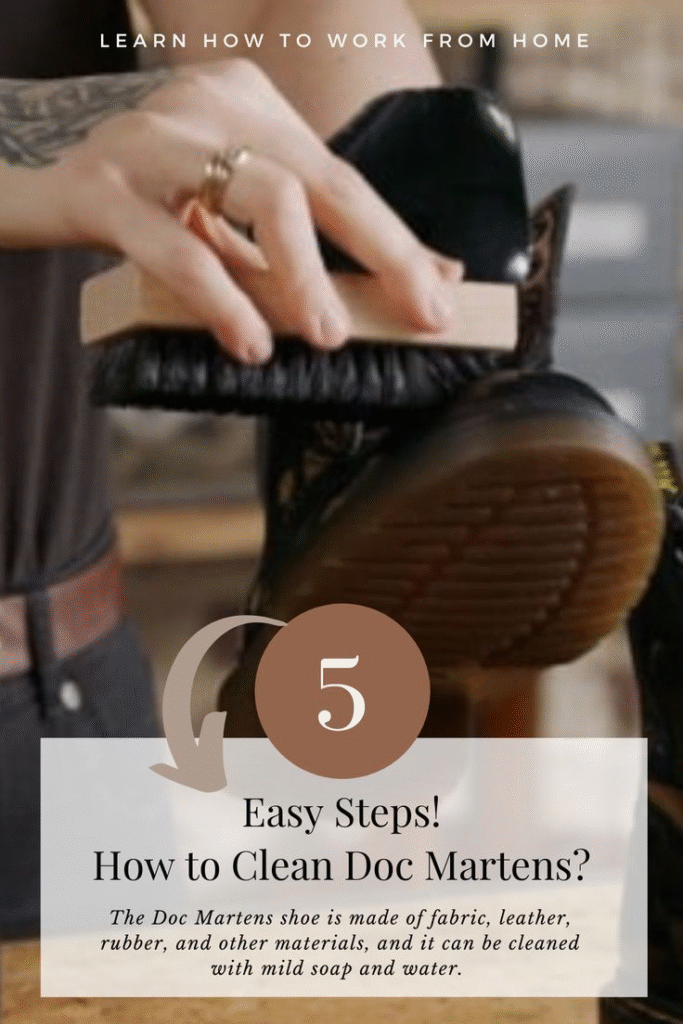
1. Regular Cleaning
Wipe your Dr. Martens with a soft, damp cloth to remove dirt and dust. Use a small brush to clean around the seams and soles for a fresh look.
2. Condition the Leather
Apply a leather conditioner or Dr. Martens Wonder Balsam to keep the leather soft, shiny, and crack-free. Conditioning helps extend the life of your boots.
3. Avoid Water Damage
Try not to soak your boots in water, as it can harm the leather and stitching. If they get wet, gently wipe them and let them dry naturally.
4. Air Dry Naturally
Never dry your Dr. Martens near heaters or direct sunlight. Let them air dry at room temperature to protect the leather’s quality.
5. Polish for Shine
Use a matching or neutral shoe polish to bring back the shine and restore the original color. Polishing also adds a layer of protection to the surface.
6. Proper Storage
Store your boots in a cool, dry place away from moisture. This prevents mold, odor, and leather damage.
7. Maintain Shape
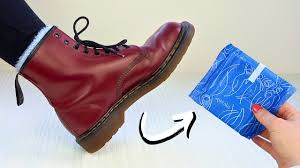
Use shoe trees or stuff the boots with newspaper when not in use. This helps maintain their shape and prevents creasing.
8. Replace Worn Parts
Keep your Dr. Martens fresh by replacing worn-out laces or insoles. Small updates can make your boots look and feel new again.
9. Rotate Your Footwear
Avoid wearing the same boots every day. Rotating between pairs allows your Dr. Martens to rest and last much longer.
How Long Do Dr. Martens Take To Break In?
Most Dr. Martens boots take 2 to 6 weeks to fully break in, depending on the leather type, how often you wear them, and your foot shape. During this period, the leather gradually softens and molds to your feet for a more comfortable fit.
Points
- Most people need 2–6 weeks to break in new Dr. Martens.
- Leather softens over time and adapts to the shape of your feet.
- Wear them for short periods at first instead of all day.
- Thick socks can help reduce friction and prevent blisters.
- Walking regularly in the boots speeds up the break-in process.
- Leather conditioners or boot softeners may help soften stiff leather.
- Mild discomfort is normal, but sharp pain is a sign the fit may be wrong.
- Patience is important because comfort improves significantly after the break-in period.
FAQs
Should new Dr. Martens be tight?
Yes, new Dr. Martens should feel snug around your feet, but they should not cause significant pain or numbness. The leather will gradually soften and stretch slightly as the boots break in.
Should I size up or down in Dr Martens?
In most cases, it’s best to choose your regular size. If you’re between sizes, many people prefer sizing down because Dr. Martens can stretch slightly during the break-in period.
Are Doc Martens fashionable in 2026?
Yes, Doc Martens remain fashionable in 2026 thanks to their timeless design and versatility. They continue to be popular with both casual and streetwear outfits, making them a stylish choice for many fashion trends.
Conclusion
Getting the proper Doc Martens fit is essential for a pleasant and laid-back experience, in my experience as a customer. Therefore, if you’re unsure of how tight your Dr. Martens should fit, try to find a pair that is snug enough to feel supportive but still allows for some flexibility and movement. Keep in mind that everyone has different feet, so it’s critical to pay attention to your comfort level and make the necessary adjustments. You’ll be able to wear your Dr. Martens with confidence wherever you go if they fit properly.
Read more about How tight should Dr. Martin be? Buyer’s Guide
“I’m a footwear blogger who loves exploring the best shoes, comfort tips, and budget-friendly options for everyday wear. At Cheapsoles.com, I share honest guides, easy care tips, and practical advice to help you choose the right shoes. My goal is to make shoe shopping simpler with clear, helpful information. I research trends, test styles, and bring you reliable insights so you always get the best value. Thanks for trusting Cheapsoles.com for your shoe knowledge.”