
Hi there! In order to manage the highs and lows of healing from a foot or ankle injury, are you interested in beginning to wear walking boots? And you’re wondering, “How many hours a day should you wear walking boots?” I’ve got your back, so don’t worry!
Table of Contents
I’m here today with this guide, and I’ll walk you through it in great detail and address all of your pressing concerns on the ideal time to rock your walking boot. I’ve provided a brief overview of the best times to wear this boot, whether you’re new to orthopedic footwear or simply want to improve your recuperation. Making wise decisions is essential for a quick recovery and getting back on your feet as soon as possible. I’m here to provide you with the knowledge you require for a quick return to your routine and a seamless recuperation. Now let’s begin!
What is a Walking Boot?
A walking boot, sometimes referred to as an orthopedic boot or medical walking boot, is a kind of footwear that is specifically made to support and shield the foot and ankle as they recuperate from an accident or surgery. Fractures, sprains, strains, and certain post-operative healing times are among the conditions for which it is frequently utilized.
Because they are made especially to restrict foot and ankle movement while offering stability and protection, walking shoes are substantially different from regular shoes. They typically include adjustable straps or buckles to keep the foot in place, and they are bigger and bulkier than typical shoes. Walking shoes offer more support than regular shoes because they are often composed of rigid, long-lasting materials.
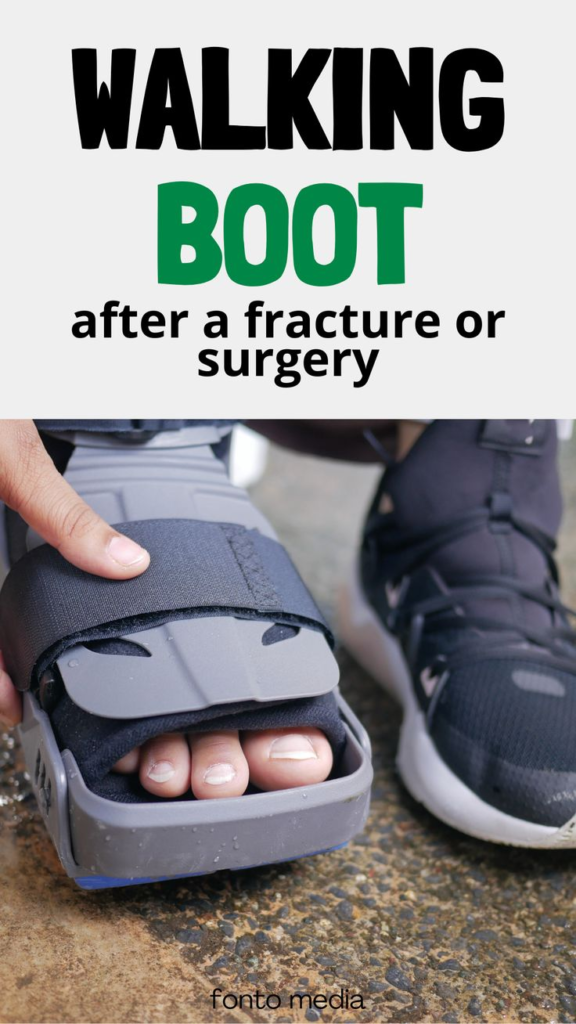
Immobilizing the wounded area, lowering the weight on the afflicted foot, and creating a more regulated and secure healing environment are the primary and crucial goals of wearing a walking boot. The sort of walking boot that is prescribed and how long it should be used are established by the healthcare provider based on the type and severity of the injury.
How many hours a day should you wear a walking boot:
Alright, how many hours should you wear a walking boot each day? That’s similar to asking, “How long is a piece of string?” Actually, it depends. Generally speaking, doctors advise wearing the boot for six to eight hours every day. However, this may vary depending on the severity of your injuries and what your physician determines is appropriate for you. Sometimes, especially in the beginning, they want you in the boot all day. They might shorten the boot time when things get better.
Recall how crucial it is to have frequent conversations with your physician, pay close attention to their advice, and keep an eye on your comfort and development. Always seek advice from your healthcare provider if you have any worries or feel unusual discomfort.
How can I care for myself while wearing a walking boot?
- Keep your walking boot clean and dry by wiping it daily and avoiding water exposure to prevent skin irritation and odor. If it gets wet, let it air-dry completely before wearing it again.
- Wear a clean, soft sock under the boot to reduce friction and protect your skin from rubbing or pressure sores. Change the sock daily to maintain hygiene.
- Check your skin regularly for redness, blisters, or swelling, especially around pressure points. Early care can prevent small issues from becoming painful injuries.
- Follow your doctor’s instructions on when to wear or remove the boot, including during sleep or rest. Wearing it incorrectly can slow down the healing process.
- Elevate your injured leg whenever possible to reduce swelling and improve blood circulation. This is especially helpful after walking or standing for a long time.
- Move carefully while walking and use any recommended support like crutches or a cane to avoid losing balance. Taking slow, steady steps reduces strain on your injury.
- Do gentle exercises approved by your healthcare provider to keep nearby muscles active. This helps prevent stiffness and muscle weakness during recovery.
- Avoid overexertion and listen to your body if you feel pain or discomfort. Resting when needed allows your injury to heal more effectively.
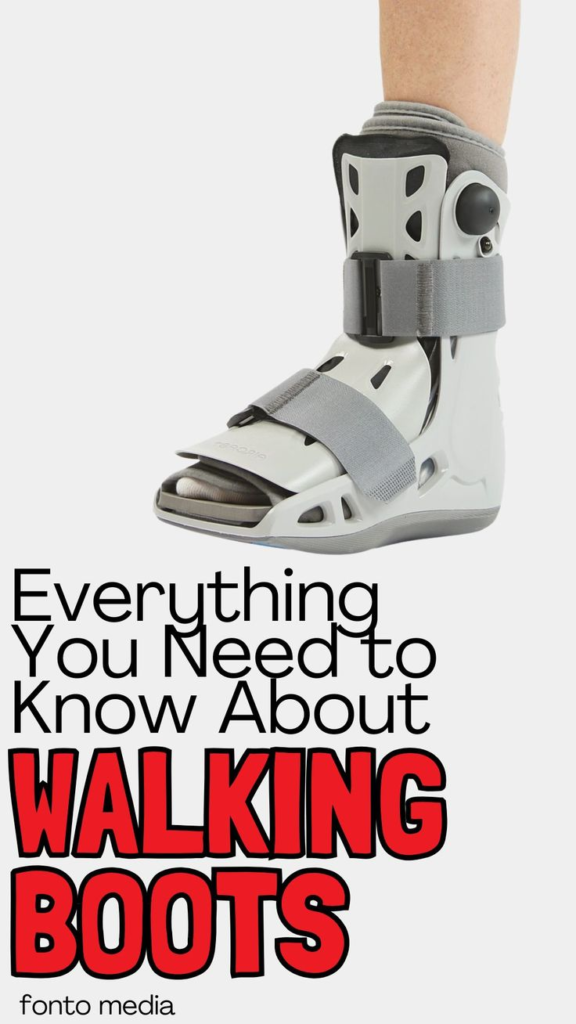
How can I care for my boots and skin?
- Clean your walking boot regularly with a damp cloth to remove dirt and sweat buildup. Let it air-dry fully before wearing it again to avoid moisture problems.
- Always wear a soft, breathable sock under the boot to protect your skin from rubbing. Change the sock daily to keep your skin fresh and hygienic.
- Check your skin every day for redness, blisters, or pressure marks around the foot and ankle. Treat any irritation early to prevent sores or infection.
- Keep your skin dry and moisturized, but avoid applying lotion right before wearing the boot. Excess moisture can cause slipping and skin irritation.
- Remove the boot when allowed and gently wash your foot with mild soap and water. Dry it well, especially between the toes, before putting the boot back on.
- Make sure the boot straps are snug but not too tight to avoid cutting off circulation. Poor fit can cause numbness, swelling, or skin damage.
- Air out the boot daily to reduce odor and bacterial growth. Leaving it open for a few hours helps keep the inside fresh.
FAQs
1. How many hours a day should I wear a walking boot?
Most people are advised to wear a walking boot for most of the day, usually 8–12 hours or whenever they are walking or standing. The exact duration depends on your injury and your doctor’s instructions.
2. Should I wear my walking boot all day?
In many cases, yes—especially during movement or weight-bearing activities. Some people are allowed to remove it while resting, bathing, or sleeping, but only if their doctor approves.
3. Can I take off my walking boot at night?
Some injuries allow boot removal at night, while others require wearing it even during sleep. Always follow your healthcare provider’s guidance to avoid delaying healing.
4. What happens if I don’t wear my walking boot long enough?
Not wearing the boot as recommended can slow healing, increase pain, or worsen the injury. Consistent use helps protect and stabilize the affected area.
5. Is it okay to remove the boot for short breaks?
Short breaks are usually allowed for hygiene, skin checks, or gentle exercises if permitted by your doctor. Avoid putting weight on the injured foot during these breaks unless advised.
6. Does the required wearing time change during recovery?
Yes, as healing progresses, your doctor may reduce the number of hours or allow gradual transition out of the boot. This step-by-step change helps your foot or leg adjust safely.
Conclusion
Understanding the ideal duration is crucial for navigating the world of walking shoes during the healing process, which is a significant step toward recovery. Thus, have entire faith in the process, keep yourself informed, and let the knowledge of your healthcare professional lead you to a quick and full recovery. Recall that wearing your walking shoe for a certain amount of time each day is not the only factor. It all comes down to how well you wear it for your unique healing requirements.
Read more about How many hours a day should you wear a walking boot? The Guide
“I’m a footwear blogger who loves exploring the best shoes, comfort tips, and budget-friendly options for everyday wear. At Cheapsoles.com, I share honest guides, easy care tips, and practical advice to help you choose the right shoes. My goal is to make shoe shopping simpler with clear, helpful information. I research trends, test styles, and bring you reliable insights so you always get the best value. Thanks for trusting Cheapsoles.com for your shoe knowledge.”

Hello https://is.gd/tvHMGJ