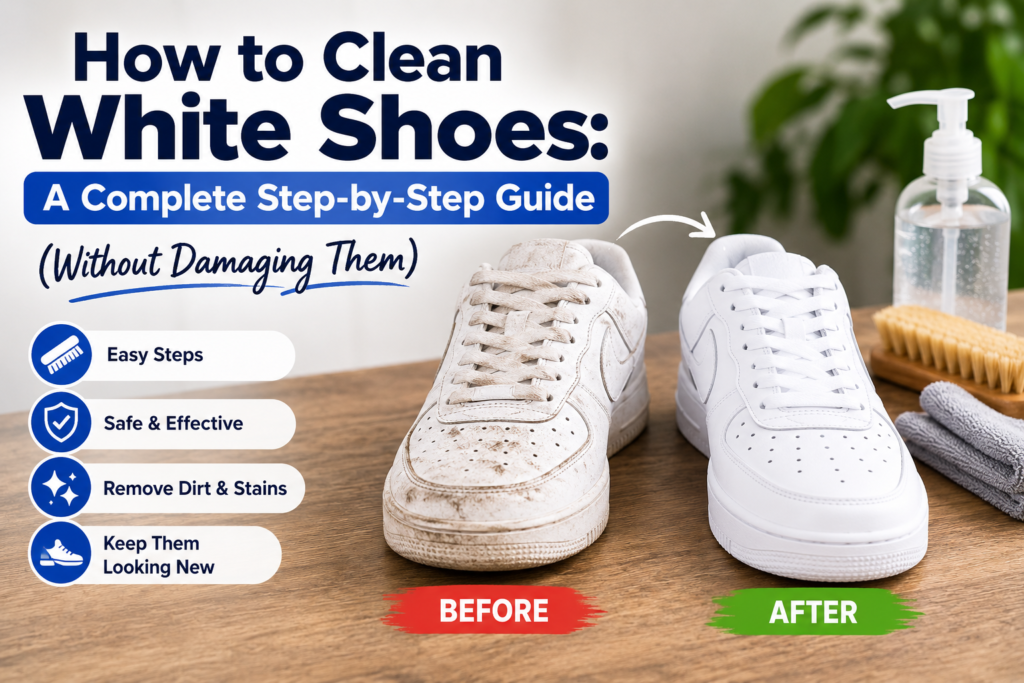
Are you looking for the answer to the question of how to clean white shoelaces? Ah, the struggle of keeping white shoes pristine—it’s been a journey. I’ve faced horrible dirt, stubborn stains, and a constant battle to maintain that fresh look. But fear not, shoelace enthusiasts! Through trial, error, and a few strokes of genius, I’ve put together the ultimate guide to cleaning white shoes.
So, join me as I share my hard-earned wisdom and techniques for breathing new life into those dull, dirty laces. It’s time to reclaim that crisp white shine—let’s embark on this cleaning adventure together!
Quick Answer
To clean white shoes, first remove loose dirt with a soft brush. Then clean the shoes using warm water, mild soap, or a baking soda solution, depending on the shoe material. Always air dry your shoes and avoid direct heat to prevent damage or yellowing.
How to Clean White Shoelaces
Let’s admit it: keeping white shoelaces is akin to an endless pursuit of hygiene. In my battle against filth, grime, and anything else the world throws at them, I’ve had my fair share of challenges trying to keep them spotless.
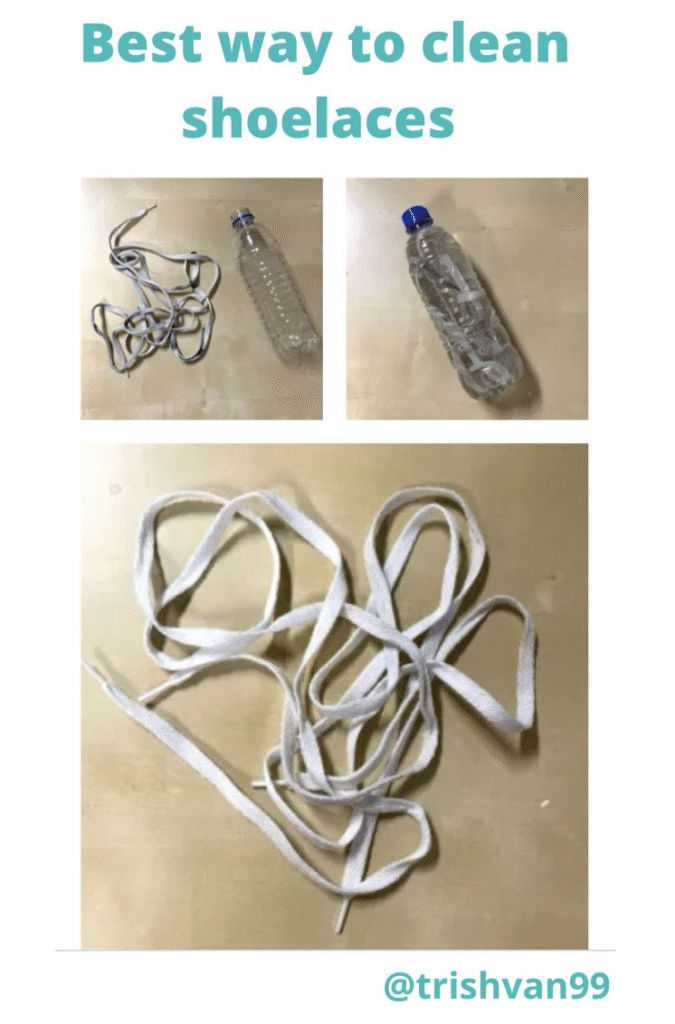
However, I’ve learned some helpful methods for cleaning white footwear through trial and error. Therefore, come along as I share my experience and thoughts, showing you how to revitalize those worn-out laces and bring them back to their original beauty.
Step 1: Assess the shoes and remove them
First, take good care of your shoelaces. Are there any particularly stubborn stains or areas of heavy soil? Please take note of these things because you’ll want to pay extra attention to them. Next, carefully remove the shoelaces from your shoes. This not only makes the cleaning process easier but also ensures that you can thoroughly clean every inch of the laces.
You can also like How to Whiten Shoelaces Without Bleach? 7 Easy Ways
Step 2: Pre-treat Stains
Now, let’s try to tackle those pesky stains. Whether it’s a coffee spill or a mud stain, pre-treating stains can work wonders. I usually opt for a trusted stain remover or a homemade solution of mild soap and water. Apply the pre-treat directly to the stained areas and let it work its magic for a few minutes while you prepare your cleaning solution.
Step 3: Prepare the Cleaning Solution
Fill a basin or sink with warm water and add a small amount of mild soap. Swirl the water until the soap is completely dissolved, creating a gentle cleaning solution that won’t be too harsh on your delicate laces.
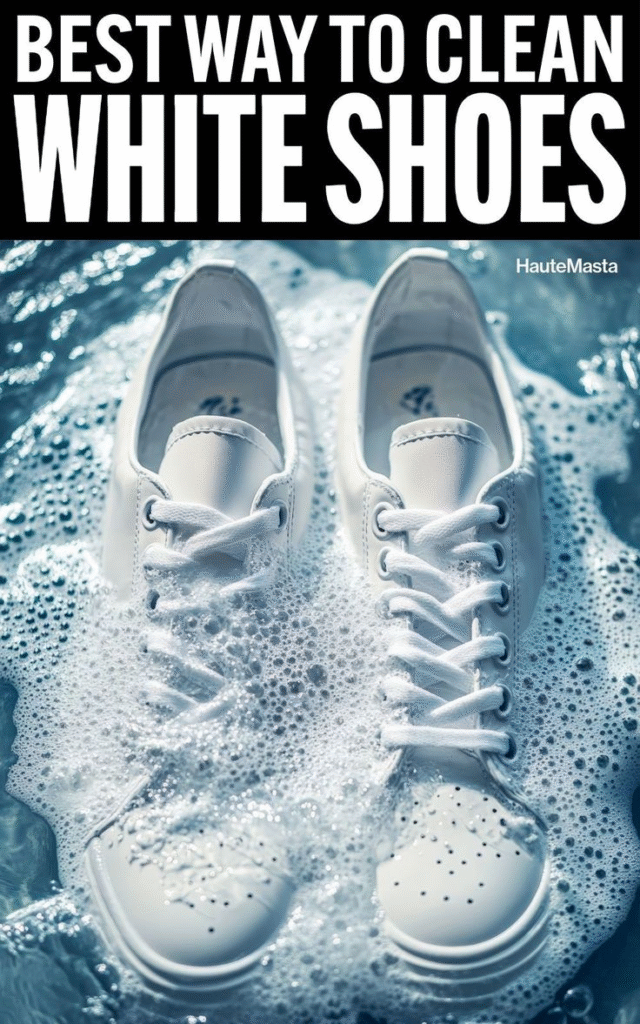
Step 4: Soak and Swish
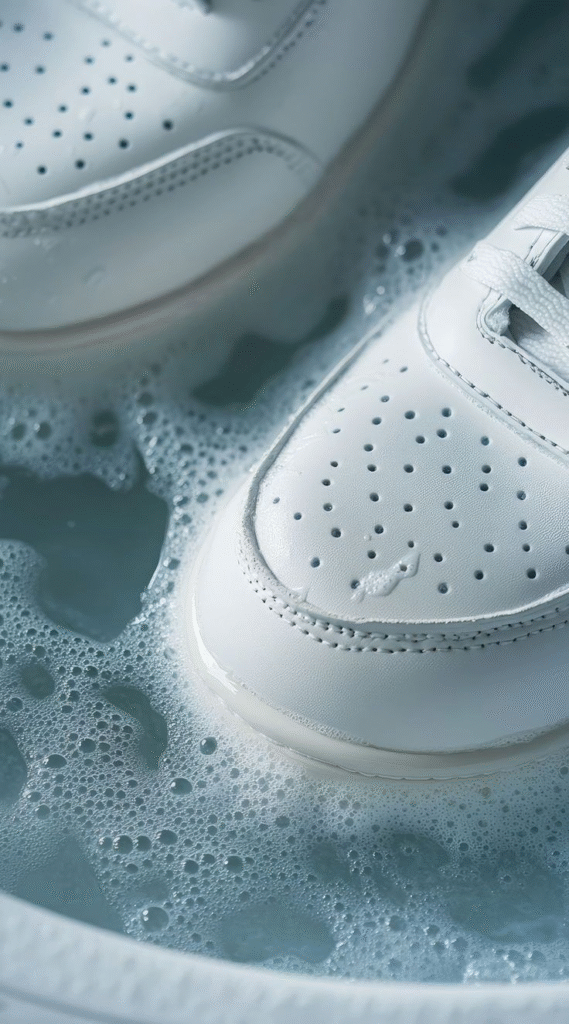
Put the shoelaces in the soapy water, making sure they are fully immersed. Allow them to soak for at least 30 minutes to break up dirt and grime. Gently move the water around often during this time to release the dirt and make cleanup easier.
Step 5: Scrub Away
After the shoelaces have been well saturated, it’s time to start cleaning by rolling up your sleeves. Gently rub the shoelaces with a soft brush, an old toothbrush, or even a clean cloth, paying special attention to any areas of persistent stains or discoloration. Take your time and do a good job, but don’t rub too hard to prevent harming the material.
Step 6: Rinse and repeat.
It’s time to give the shoelaces a good rinse now that they are spotless. Rinse the laces under running water, removing any lingering soap scum. If necessary, you can repeat the soaking and scrubbing process until you are happy with the outcome.
Step 7: Air Dry
Lay your shoelaces out to air dry after giving them a light squeeze to remove any extra moisture. Never twist or squeeze them since doing so might cause them to lose their form. Allow them to air dry in a well-ventilated location away from direct sunshine or heat sources.
Step 8: Optional: Machine Wash
If your laces are really dirty or if you have a stain that is especially hard to remove, you may put them in the washing machine for a thorough cleaning. To avoid tangling or damage during the washing cycle, put shoelaces in a pillowcase or mesh laundry bag. When washing, use a mild cycle with cold water, and steer clear of bleach and other harsh chemicals that might harm the material.
Step 9: Reunite with Your Shoes
After the shoelaces have dried, the time has come for the moment of truth—reattaching them to your footwear. Make sure to thread through each eyelet when tying them securely. Step back and take in your craftsmanship as your shoes are transformed by their newly washed laces.
Why Do White Shoes Turn Yellow?
White shoes can turn yellow for several reasons, even after they have been cleaned. One of the most common causes is detergent residue left on the fabric, which reacts with air as the shoes dry. Prolonged exposure to direct sunlight, moisture, and oxidation can also create yellow stains over time. In some cases, dirt trapped deep in the material becomes more visible after washing.
To prevent yellowing, rinse your shoes thoroughly, avoid using too much detergent, and let them air dry in a shaded, well-ventilated area instead of under direct sunlight.
Best Cleaning Methods for Different Shoe Materials
Not all white shoes should be cleaned the same way. Using the correct cleaning method for each material helps remove stains without damaging the shoe.
| Shoe Material | Recommended Cleaning Method |
|---|---|
| Canvas | Mild detergent mixed with warm water and a soft brush |
| Leather | Leather cleaner or mild soap with a microfiber cloth |
| Mesh | Soft brush and diluted soap solution |
| Suede | Suede brush and suede eraser only |
| Rubber Soles | Baking soda paste or a magic eraser |
Always test any cleaning solution on a small hidden area before cleaning the entire shoe.
Mistakes to Avoid When Cleaning White Shoes
Many people accidentally damage their white shoes by using the wrong cleaning methods. Avoiding these common mistakes will help keep your shoes looking fresh for much longer.
- Using bleach on leather or colored parts of the shoe.
- Scrubbing too aggressively with a hard brush.
- Soaking shoes in water for a long time.
- Drying shoes with a hair dryer or placing them near direct heat.
- Ignoring the manufacturer’s cleaning instructions.
- Storing damp shoes without allowing them to dry completely.
Taking a little extra care during cleaning can significantly extend the life and appearance of your white shoes.
How to Keep White Shoes Clean Longer
Keeping white shoes clean is easier when you follow a few simple habits. Wipe away dirt after every use using a soft cloth or brush before stains become permanent. Apply a protective water and stain repellent spray to create a barrier against dirt and moisture. Store your shoes in a cool, dry place away from direct sunlight, and avoid wearing them in muddy or rainy conditions whenever possible. Rotating between different pairs of shoes also reduces daily wear and helps keep your white shoes looking newer for longer.
Can You Put White Shoes in the Washing Machine?
Some white shoes can be safely washed in a washing machine, but it depends on the material and the manufacturer’s care instructions. Canvas shoes are usually machine washable, while leather, suede, and certain athletic shoes should be cleaned by hand to avoid damage.
If you choose to use a washing machine, remove the laces and insoles first, place the shoes inside a mesh laundry bag, use a gentle cycle with cold water, and avoid harsh detergents. After washing, let the shoes air dry naturally instead of using a dryer.
Natural Ways to Clean White Shoes
If you prefer chemical-free cleaning, several household ingredients can effectively remove dirt and stains from white shoes. Baking soda mixed with water creates a gentle cleaning paste that works well on canvas shoes. White vinegar can help loosen stubborn stains, while a small amount of mild dish soap removes everyday dirt without damaging most materials.
Always use a soft brush or microfiber cloth when applying natural cleaners, and rinse away any residue before allowing the shoes to air dry. These methods are affordable, environmentally friendly, and suitable for routine maintenance.
How to Dry White Shoes Properly
Drying white shoes correctly is just as important as cleaning them. After washing, gently remove excess water with a clean towel and stuff the shoes with white paper towels or plain paper to help them maintain their shape. Replace the paper if it becomes too wet.
Always let your shoes air dry in a cool, shaded place with good airflow. Avoid direct sunlight, radiators, or clothes dryers, as excessive heat can cause yellowing, shrinkage, or damage to the shoe material.
Comparison Table
| Shoe Material | Best Cleaning Method | Avoid |
|---|---|---|
| Canvas | Baking soda + mild detergent | Hot water |
| Leather | Leather cleaner + soft cloth | Bleach |
| Mesh | Mild soap + microfiber cloth | Hard scrubbing |
| Suede | Suede brush | Water soaking |
How can I use bleach alternatives effectively? Let’s find out:
Bleach is super effective, but it can be harsh—on your skin, your lungs, and the environment. Luckily, there are safer and still powerful alternatives you can use depending on what you’re trying to clean or disinfect. Here’s how to use them effectively:

1. White Vinegar (Distilled Vinegar)
Great for cutting grease, killing some bacteria, and deodorizing.
- How to use it: Mix equal parts vinegar and water in a spray bottle. Use it on countertops, windows, cutting boards, and in your laundry.
- Pro tip: Add a few drops of essential oil (like lemon or tea tree) to mask the vinegar smell.
Don’t use vinegar on natural stone like granite or marble—it can etch the surface.
2. Hydrogen Peroxide (3%)
Great for disinfecting, whitening, and mold removal.
- How to use it: Spray it directly on surfaces like bathroom tiles, kitchen counters, or cutting boards. Let it sit for a few minutes, then wipe clean.
- Laundry tip: Add a cup to your wash to brighten whites.
Keep it in a dark bottle—it breaks down in sunlight.
3. Baking Soda
Great for scrubbing, deodorizing, and boosting cleaning power.
- How to use it: Sprinkle it directly on surfaces or make a paste with water for tough grime (like on stovetops or sinks).
- Bonus: Use it with vinegar to unclog drains (pour baking soda, then vinegar, let it fizz, and flush with hot water).
4. Castile Soap
Great for: General cleaning (floors, dishes, hands, etc.)
- How to use it: Mix a tablespoon with water in a spray bottle for an all-purpose cleaner. You can also use it in mopping solutions or for washing fruits and veggies.
FAQs
How often should I clean white shoes?
Clean them every 2–4 weeks, or sooner if they become visibly dirty.
Can baking soda whiten shoes?
Yes. Baking soda helps remove stains and brighten many white canvas shoes when used correctly.
Can I use toothpaste on white shoes?
Yes, but only on rubber soles or small stains. Avoid using it on delicate materials.
Why do white shoes turn yellow after washing?
Yellowing usually happens because of detergent residue, oxidation, or drying in direct sunlight.
Conclusion
Keeping white shoes clean is about more than simply their appearance; it’s also about prolonging their lifespan. You’ve armed yourself with the information and methods necessary to successfully combat grime, stains, and discoloration by adhering to this thorough guide to cleaning white shoes. Always keep in mind that routine upkeep and tender care are essential for maintaining the brightness and freshness of your shoelaces.
Read more about

I’m a footwear blogger passionate about exploring comfortable shoes, smart buying choices, and budget-friendly footwear options. At Cheapsoles.com, I share practical shoe guides, care tips, sizing advice, and helpful insights to make choosing the right shoes easier.
I research footwear trends and provide simple, reliable information to help readers find comfortable and valuable footwear options for everyday life.