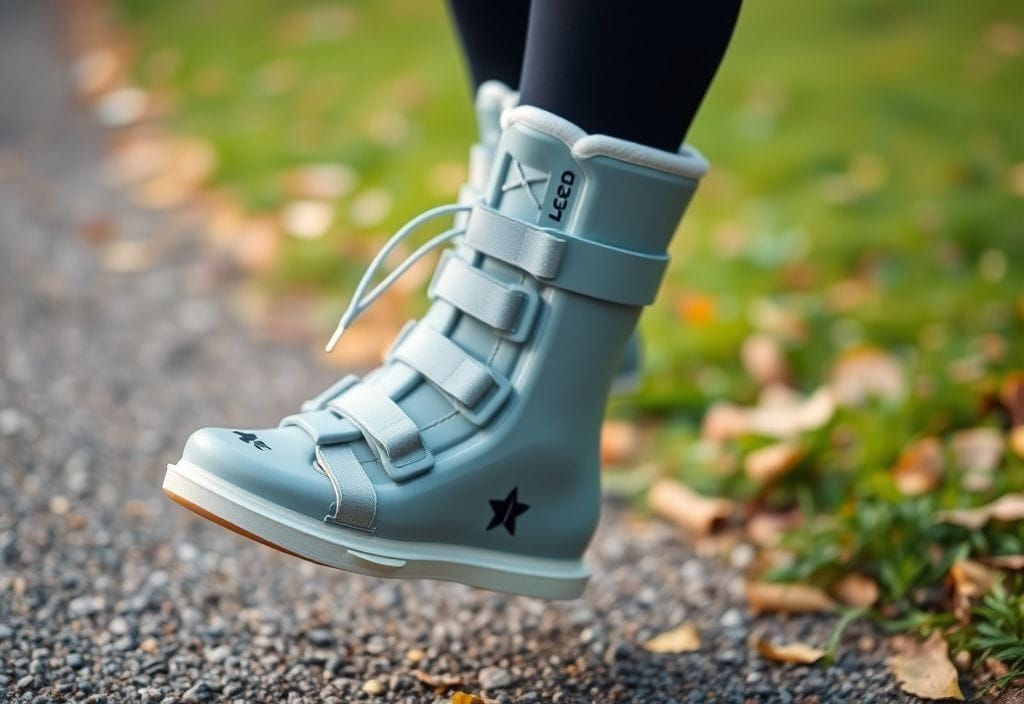
Hello, powerful folks! Do you have an injury from a small slip-up? Are you looking for some advice on walking shoes and have a burning query regarding how to walk in walking shoes without crutches? Welcome to “Stepping Out Strong,” your manual for managing life without the inconvenience of crutches while wearing a walking boot. I can see how difficult it is to manage an accident or operation that requires you to wear walking boots. But don’t worry! You may regain your freedom and navigate your days like a pro with the correct actions and an optimistic outlook.
Table of Contents
I go into useful advice, exercises, and techniques to help you walk without crutches in today’s post. Prepare to go through your recuperation with stability, strength, and perhaps a slight limp. Together, let’s start this adventure so you may take charge of every step and go out with confidence!
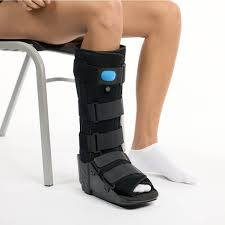
How do I properly use a medical walking boot?
I believe you should first learn the correct way to utilize a walking boot. For a successful recovery and to prevent more injuries, a medical walking boot must be used correctly. Here’s a detailed how-to for using a medical walking boot:
1. Consult Your Doctor
Before using the boot, ensure it is prescribed and fitted properly for your injury type. Follow your doctor’s instructions regarding duration and weight-bearing limits.
2. Choose the Right Size
Make sure the boot fits snugly but not too tight. Proper sizing prevents discomfort and promotes healing.
3. Wear a Sock
Always wear a clean, thick sock to prevent friction and blisters inside the boot. Avoid wrinkles for better comfort.
4. Open the Straps
Unfasten all the Velcro straps before putting your foot in. This ensures your foot slides in easily without pressure.
5. Position Your Foot Correctly
Place your injured foot flat in the boot, with your heel firmly against the back. Proper alignment supports healing.
6. Secure the Straps
Fasten the straps from bottom to top evenly. Make sure they are snug but allow normal circulation.
7. Adjust the Fit if Needed
Walk a few steps and check for pressure points or discomfort. Re-adjust straps or padding for even support.
8. Use Walking Aids if Recommended
Crutches or a cane may be necessary if partial weight-bearing is advised. Follow your doctor’s guidance carefully.
9. Follow Activity Restrictions
Avoid running, jumping, or long walks unless your doctor permits. Proper rest aids faster recovery.
10. Keep the Boot Clean and Dry
Wipe off dirt and moisture regularly. This prevents skin irritation and prolongs the boot’s durability.
How to walk in a walking boot without crutches
You may be thinking, “Can I walk without these crutches?” if you have a bad foot or ankle due to a sprain or other ailment and you have this carbon fiber boot. Let’s face it, crutches can be annoying. They can be uncomfortable and hard beneath your arms, and who wants that?
The good news is that all you need is your walking boot. If you don’t want to, you can stop using those crutches. Here are some simple guidelines for using a walking medical boot without crutches, regardless of the cause—a fractured foot, a sprained ankle, or a soft tissue issue. To ensure safety and a successful rehabilitation, walking in a walking boot without crutches requires a methodical and cautious approach. This is a comprehensive guide:
Ensure Proper Fit:
Make sure the walking boot fits correctly before you try to walk. To ensure a snug but not too tight fit, adjust the straps or fasteners.
Follow Medical Guidance:
Follow your doctor’s instructions or suggestions when it comes to walking and bearing weight. While some walking boots provide complete weight bearing, others might need to be used gradually.
Start with Testing:
Go slowly at first. Start by practicing walking with some of your weight on the afflicted foot. This entails letting the foot come into contact with the ground but without applying all of your weight to it.
Use Supportive Shoes:
This works really well. To preserve stability and balance, you might choose to wear supportive shoes on the unaffected foot. To balance the height disparity brought on by the walking boot, use shoes with a flat sole.
Maintain Good Attitude:
Walk with a positive mindset and a tall stance. To avoid imbalance or tension on other portions of your body, keep your shoulders back and look directly ahead.
Remove the Boot When Resting:
Take breaks by taking off the walking boot when you’re sitting or resting, as directed by your physician. This can ease any possible soreness and improve circulation.
Some practical tips and exercises to take care of walking boots without crutches
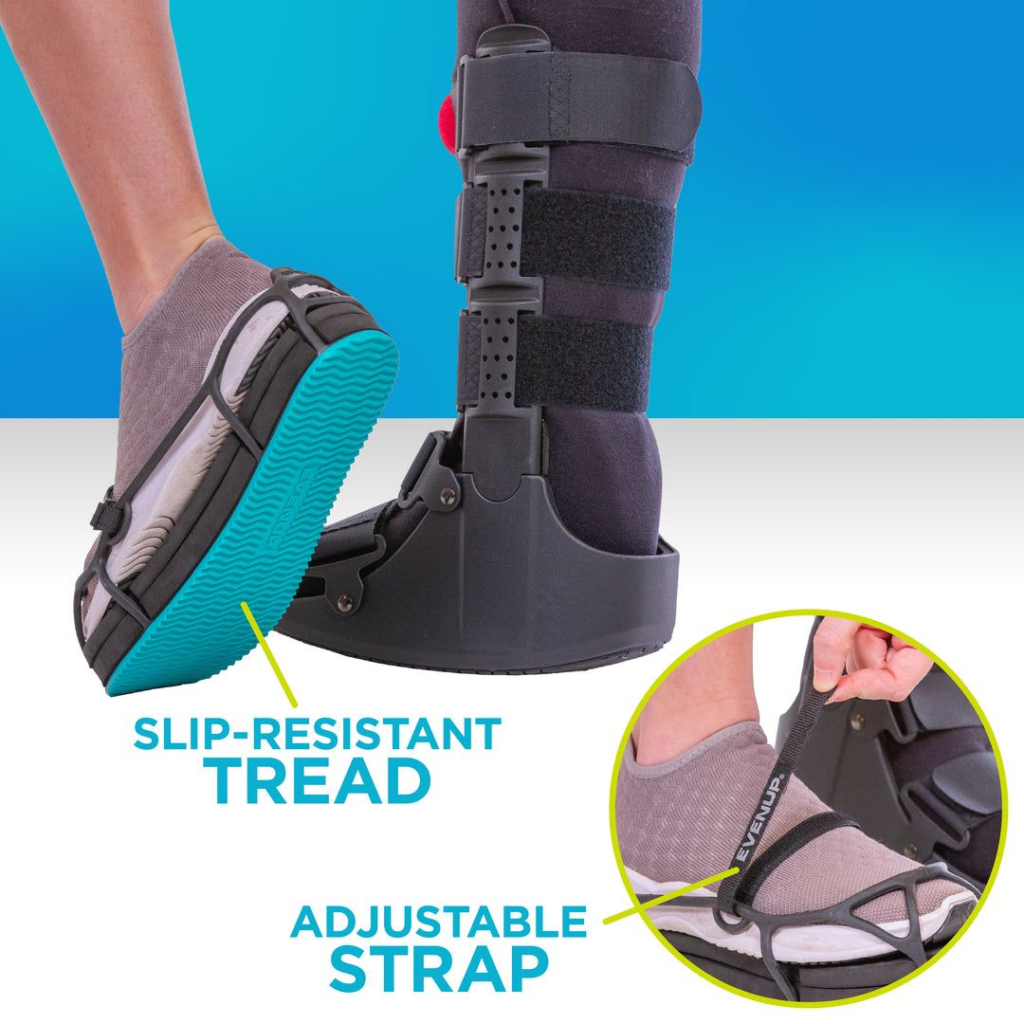
- 1. Short Walking Sessions
Take short, slow walks indoors to get used to the boot. Gradually increase distance as comfort improves. - 2. Use a Supportive Surface
Walk on flat, non-slippery surfaces to reduce risk of slipping or twisting your ankle. - 3. Gentle Foot and Ankle Movement
Move your toes and flex your ankle slightly (if allowed by your doctor) to maintain circulation. - 4. Alternate Weight Shift
Shift weight gently from one leg to another while standing to avoid stiffness in the injured leg. - 5. Balance Practice
Stand near a wall or chair for support and practice light balancing exercises to improve stability. - 6. Keep the Boot Clean and Dry
Regularly wipe the boot and remove debris inside to prevent irritation and odors. - 7. Elevate Your Foot
When resting, prop your foot up to reduce swelling. Use pillows for comfort. - 8. Check for Pressure Points
Inspect skin daily for redness or blisters and adjust straps or padding as needed.
FAQs
1. Can I walk without crutches in a walking boot?
Yes, if your doctor approves and your injury allows partial or full weight-bearing, you can gradually walk without crutches.
2. How should I place my foot while walking?
Keep your heel flat in the boot and roll from heel to toe slowly. Avoid sudden movements or twisting.
3. How do I maintain balance without crutches?
Take short steps, walk on flat surfaces, and use nearby walls or furniture for support if needed.
4. How often should I practice walking?
Start with short sessions indoors and gradually increase duration as comfort and strength improve.
5. Are there exercises I can do while using the boot?
Yes, gentle toe and ankle movements, weight shifting, and light balancing exercises can help maintain circulation and stability.
Conclusion
And there you have it! The solution to your urgent query about walking without crutches while wearing a walking boot. The goal of walking without crutches in a walking boot is to establish a solid foundation for your recuperation. Those workouts and advice I mentioned? They are your covert tools for confidently getting back on your feet.
Stepping out strong is your reality, not just a catchphrase. So go ahead, follow those suggestions, enjoy the process, and get well without being hindered by crutches. You’re capable!
Read more about How to walk in a walking boot without crutches? Stepping Out Strong
Hope you will enjoy How to wash Skechers Go Walk in a washing machine? Easy Cleaning Tips
“I’m a footwear blogger who loves exploring the best shoes, comfort tips, and budget-friendly options for everyday wear. At Cheapsoles.com, I share honest guides, easy care tips, and practical advice to help you choose the right shoes. My goal is to make shoe shopping simpler with clear, helpful information. I research trends, test styles, and bring you reliable insights so you always get the best value. Thanks for trusting Cheapsoles.com for your shoe knowledge.”